
Santa Clara and the layers of heritage
A considered reading of open walls, earthquake history and the work of preserving a living city.
Published 14 September 2026
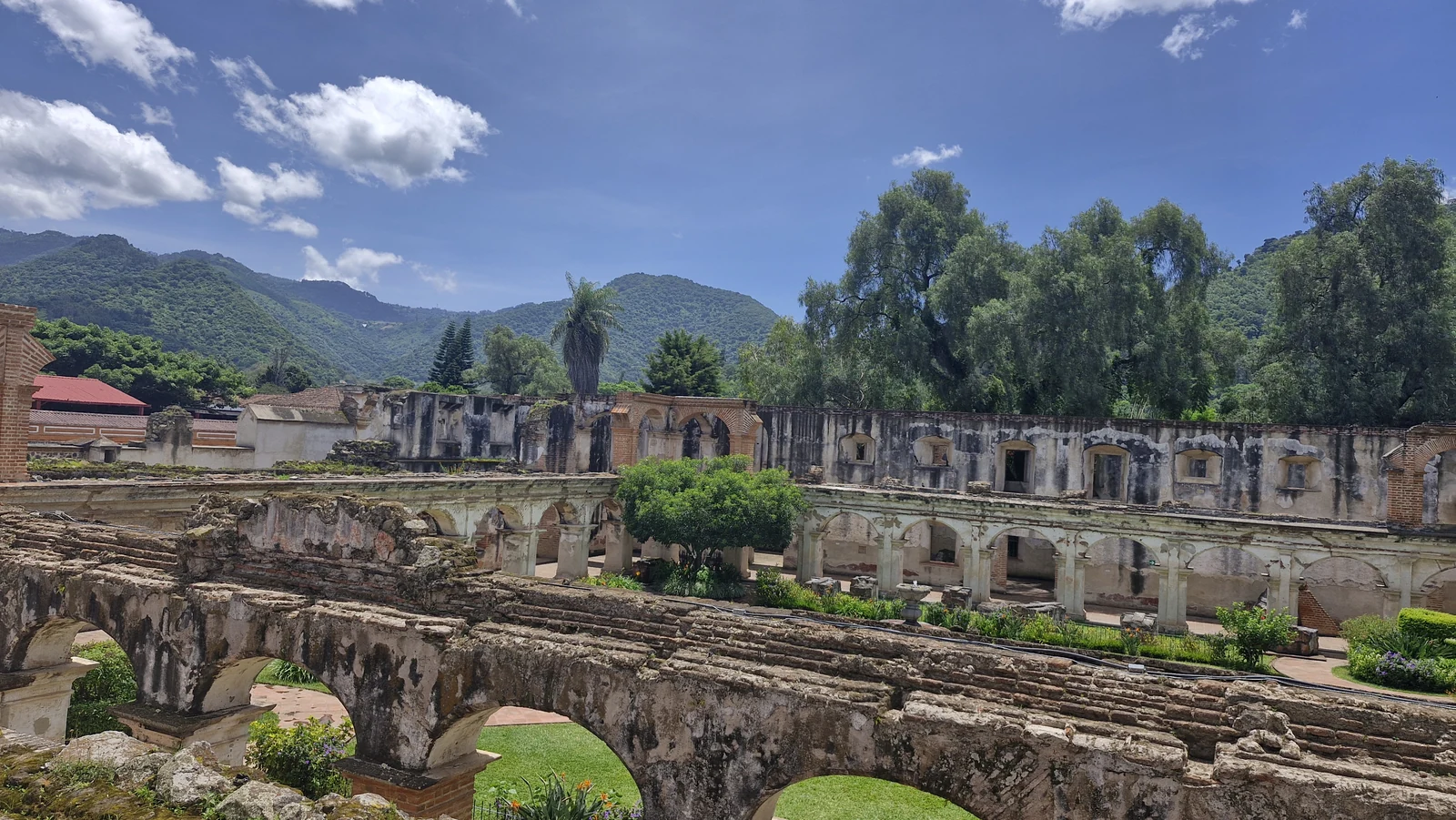

The Santa Clara photograph above shows a sequence of open walls, weathered masonry and trees beyond the enclosure. Erik Cleves Kristensen recorded it on 7 August 2024. The view offers a useful starting point for reading how a built place is experienced after major change.
Look first at the whole space, then at its smaller connections. Where do walls continue? Where does the sky enter the view? Which surfaces are close enough to inspect without leaving the permitted visitor route? Questions are more useful than assuming every visible difference has the same age or cause.

Authentic Guatemalan Cooking Class in Antigua
Cuscun is a cooking school & a tour operator, focusing on authentic experiences in Antigua Guatemala, Jocotenango. With us, you can learn more about G...

Antigua’s Living Villages Tour
Explore the colorful villages that surround Antigua Guatemala on this immersive cultural tour. Travel through the va...

Antigua Street Food Tour
Join us on our delightful Street Food Walking Tour through as we take you to explore all our favorite places in Anti...

Coffee and Gastronomic Bike Tour in Antigua
Our Coffee Tour is more than just coffee… In this experience you will not only learn about the history of Guatemal...
Put the ruins in context
UNESCO describes the city’s grid, the destruction of much of the town in the Santa Marta earthquakes of 1773 and the relocation of the capital. Some residents remained. Preserved monuments therefore sit within a continuing city, not a place whose life ended with one historical event.
The UNESCO account also identifies development and tourism pressures. Read the setting with that wider responsibility in mind. The remains are evidence of loss, adaptation and conservation, rather than decorative damage.
Follow the interpretation at the site
Use current signs and the responsible venue’s information to understand the spaces you can enter. Ask a guide about the distinction between original work, later repair and restoration where it is relevant. A photograph can show a surface clearly without explaining the intervention behind it.
- Stay within the open visitor areas.
- Leave fragile surfaces and objects untouched.
- Ask before making photographs where restrictions apply.
- Keep time for the written interpretation as well as the view.
Choose depth over accumulation
One carefully read site can be more useful than several hurried stops. Decide what you want to understand: how an enclosure works, how a building changed, or how the city’s present life meets its historical fabric. That question can guide your attention without pretending to explain every detail.
Build in a pause after the visit. Notes made at a quiet table can help separate what you observed from what you learned from a source. If a detail remains uncertain, keep the question open instead of filling it with a story that merely sounds plausible.
Connect heritage with the everyday city
Antigua Guatemala is also a place of homes, work, trade and contemporary movement. Give those uses room in the same day. Avoid framing the city only through its colonial buildings, or assuming that a decorative object represents all of Guatemala’s communities.
The coffee and provenance guide begins with a named regional group. The street chapter returns to ordinary activity. Together they allow historical depth and current life to remain visible without collapsing them into a single nostalgic scene.
Authentic Guatemalan Cooking Class in Antigua
Cuscun is a cooking school & a tour operator, focusing on authentic experiences in Antigua Guatemala, Jocotenango. With us, you can learn more about G...

Antigua ATV Coffee Tour
During this tour we visit a local coffee plantation located in the nearby city of Jocotenango. From the office you w...

Epic Pacaya Volcano Horseback Tour w/ Pizza & Marshmallows
Experience one of Guatemala’s most unforgettable adventures on the Epic Pacaya Tour. Begin with convenient hotel o...

Antigua ATV Sunset Tour
This is the best activity you can do in the afternoon in Antigua. This tour will take you to 3 mountain tops with in...
Keep reading
A different part of the city.
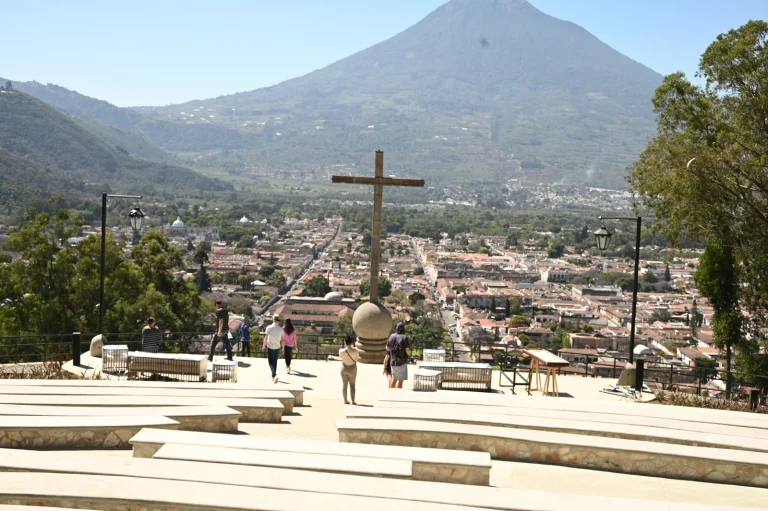
Planning
Planning a considered Antigua stay
Choose a useful city base and keep nearby communities, viewpoints and regional journeys distinct.
Read the guide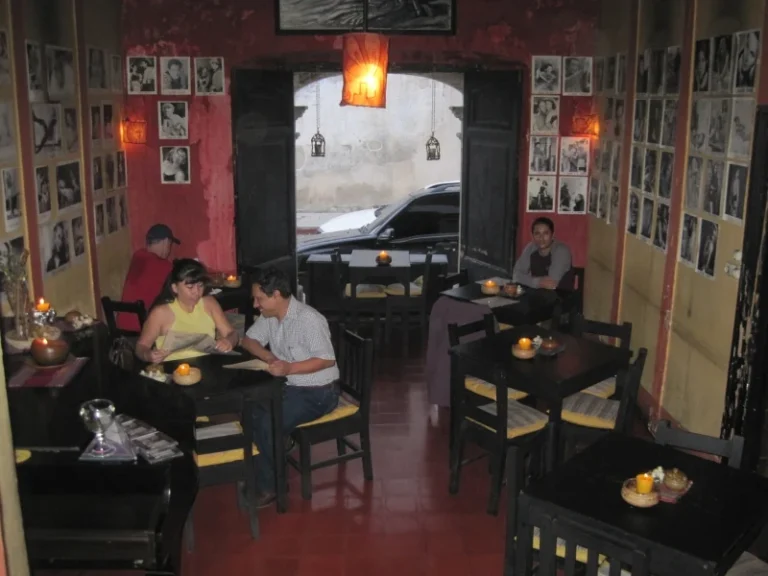
Coffee & making
Coffee, making and provenance
Follow a named producer’s account and ask specific questions about where an object or ingredient began.
Read the guide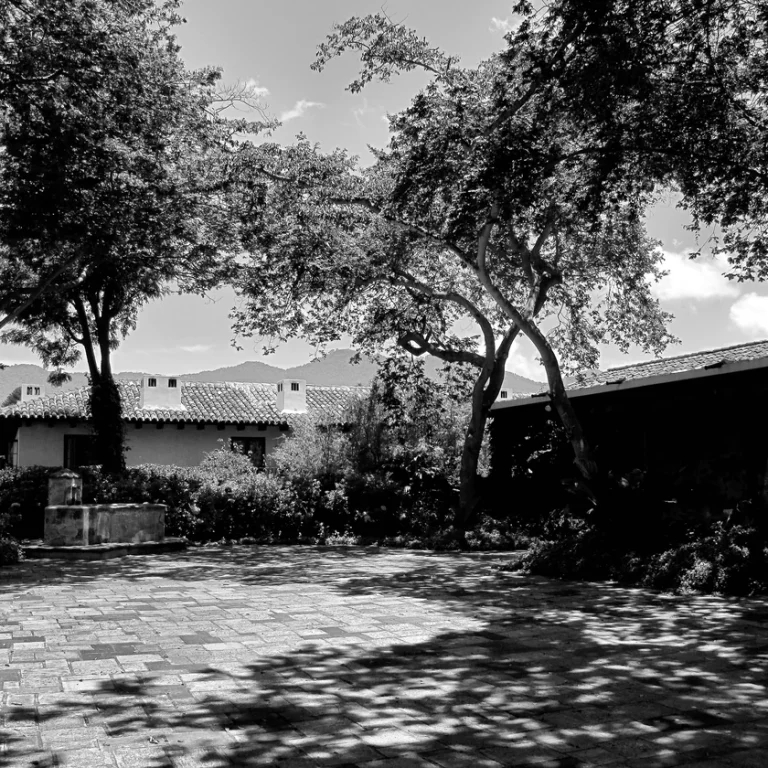
Courtyards
Courtyards and changing uses
Look at enclosure, light and the specific use of a space before treating it as a timeless scene.
Read the guide