
Coffee, making and provenance
Follow a named producer’s account and ask specific questions about where an object or ingredient began.
Published 14 September 2026
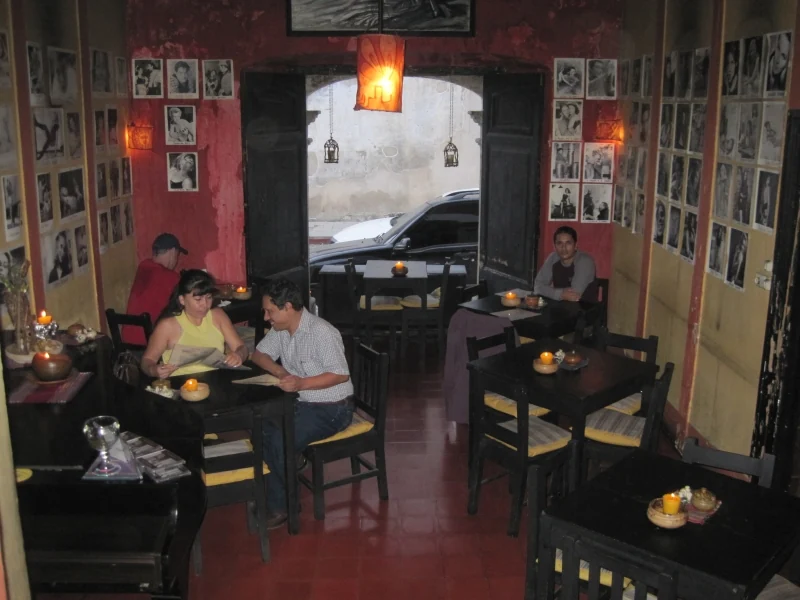

A café is a place to sit, talk and notice the rhythm of a street. It can also be a starting point for questions about the ingredients and objects on the table. Keep those two roles distinct: the atmosphere of a room does not establish where its coffee was grown or who made its furnishings.
Marina Kuperman Villatoro photographed the Café Flor interior shown here on 11 September 2010. The people remain within the full room scene. This dated view records a particular venue; it does not describe its current menu, opening arrangements or suppliers.

Tikal Day Trip Including Round Trip Flights from Antigua with Lunch
Discover the beauty and ancient history of the Mayan ruins of Tikal on this air tour from Antigua! Enjoy a scenic flight to Tikal and spend the day ex...

Hike to Pacaya Volcano from Antigua
Hike one of Central America's most active and accessible volcanoes on this unforgettable adventure just an hour from...

Antigua ATV Coffee Tour
During this tour we visit a local coffee plantation located in the nearby city of Jocotenango. From the office you w...

Authentic Guatemalan Cooking Class in Antigua
Cuscun is a cooking school & a tour operator, focusing on authentic experiences in Antigua Guatemala, Jocotenango. W...
A published account from San Miguel Escobar
De La Gente publishes the story of the Coffee Growers of San Miguel Escobar, in the Antigua coffee-growing region outside the city. Seven farmers organized in 2005 to process their own coffee after previously selling cherries. The account dates their De La Gente partnership to 2014 and describes the group’s renewal at the end of 2021.
Read the cooperative’s published account for the fuller history and its community-led activities. It is a specific regional voice, with named producers and a place, rather than a general claim about every cup served in Antigua Guatemala.
Ask questions that have an answer
When buying coffee, ask for the producer or cooperative, growing location and any details the seller can substantiate. A package label may provide a useful starting point. If information is not available, leave it unknown rather than assuming a local origin from the shop’s address.
The same approach helps with made objects. Ask who produced the work, where it was made and what the seller knows about its materials. An item offered in Antigua may come from another part of Guatemala. Its actual origin deserves to remain visible.
- Write down the maker or producer’s name accurately.
- Ask permission before photographing work or a person.
- Keep a receipt and any useful provenance information.
- Avoid assigning cultural meaning to a pattern without a reliable explanation.
Separate a city pause from a regional visit
A coffee-growing community outside the city requires its own transport and meeting arrangements. Check the exact starting point, walking involved and current inclusions with the responsible organizer. A café interval in town and a farm visit are different experiences, even when both concern coffee.
Leave enough time for the return, and confirm any dietary or access requirement directly. Read the named operator’s current information before comparing prices. This guide provides context; the responsible group controls its own visits.
Continue the conversation carefully
A little curiosity can make a purchase more meaningful without turning every encounter into an interview. Listen to what a person chooses to share. The planning guide helps place regional visits within a city stay, while the street guide leaves room for a simpler afternoon in town.

Epic Pacaya Volcano Horseback Tour w/ Pizza & Marshmallows
Experience one of Guatemala’s most unforgettable adventures on the Epic Pacaya Tour. Begin with convenient hotel or Airbnb pickup in Antigua, follow...

Acatenango Volcano Overnight Tour
Acatenango Overnight Hike Climb one of the most beautiful volcanoes in Central America with spectacular views to th...

Acatenango Overnight Hike Multiday Tour
Our all included tour is the best option to enjoy this beautiful volcano which travelers have rated it as the most b...

PRIVATE SHUTTLE ANTIGUA - LAKE ATITLAN or Vice-versa
If you´re looking for the best way to travel from Antigua to Lake Atitlan or, vice-versa, this is an excellent choi...
Keep reading
A different part of the city.
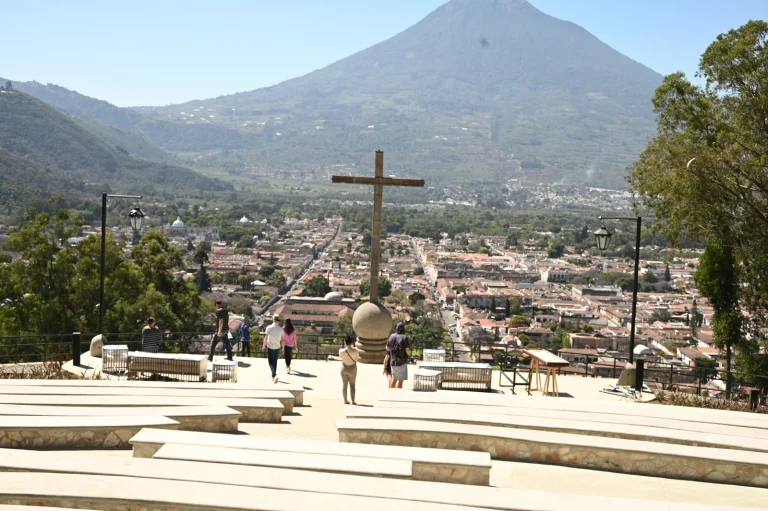
Planning
Planning a considered Antigua stay
Choose a useful city base and keep nearby communities, viewpoints and regional journeys distinct.
Read the guide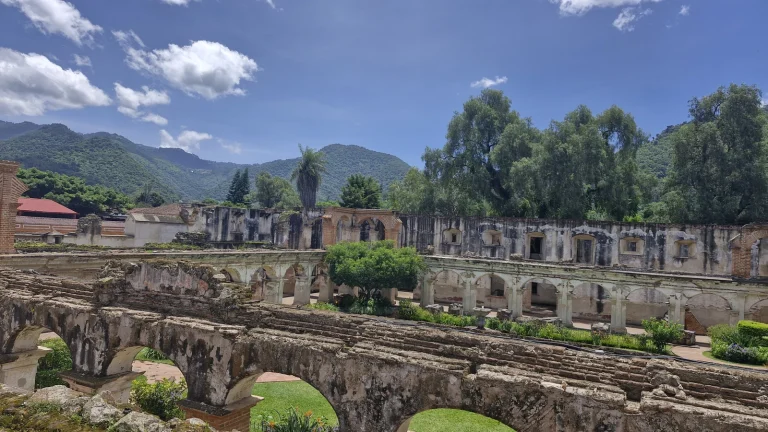
Heritage
Santa Clara and the layers of heritage
A considered reading of open walls, earthquake history and the work of preserving a living city.
Read the guide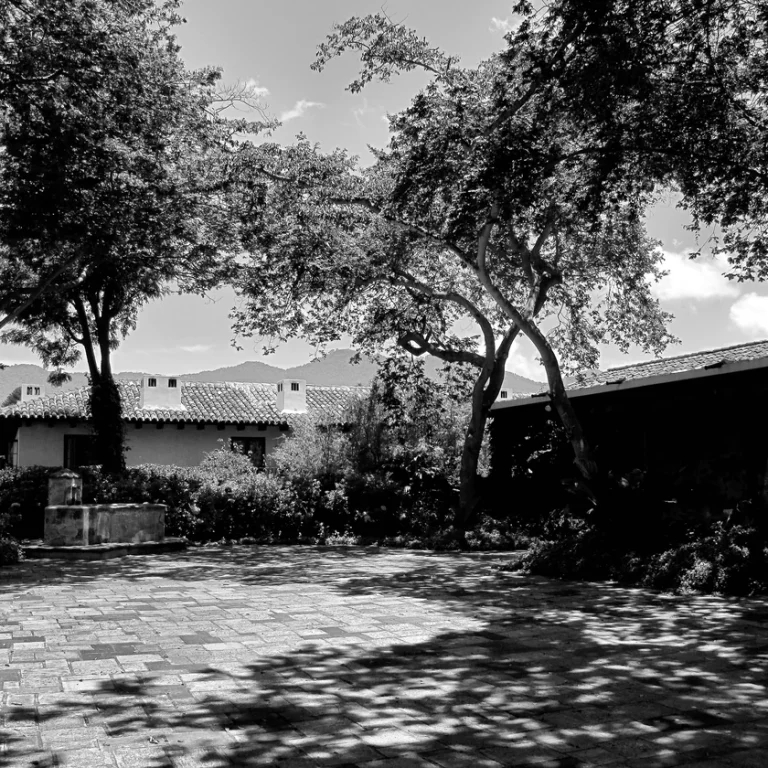
Courtyards
Courtyards and changing uses
Look at enclosure, light and the specific use of a space before treating it as a timeless scene.
Read the guide